LocalReferrals
Referrals That Feel Like Theirs
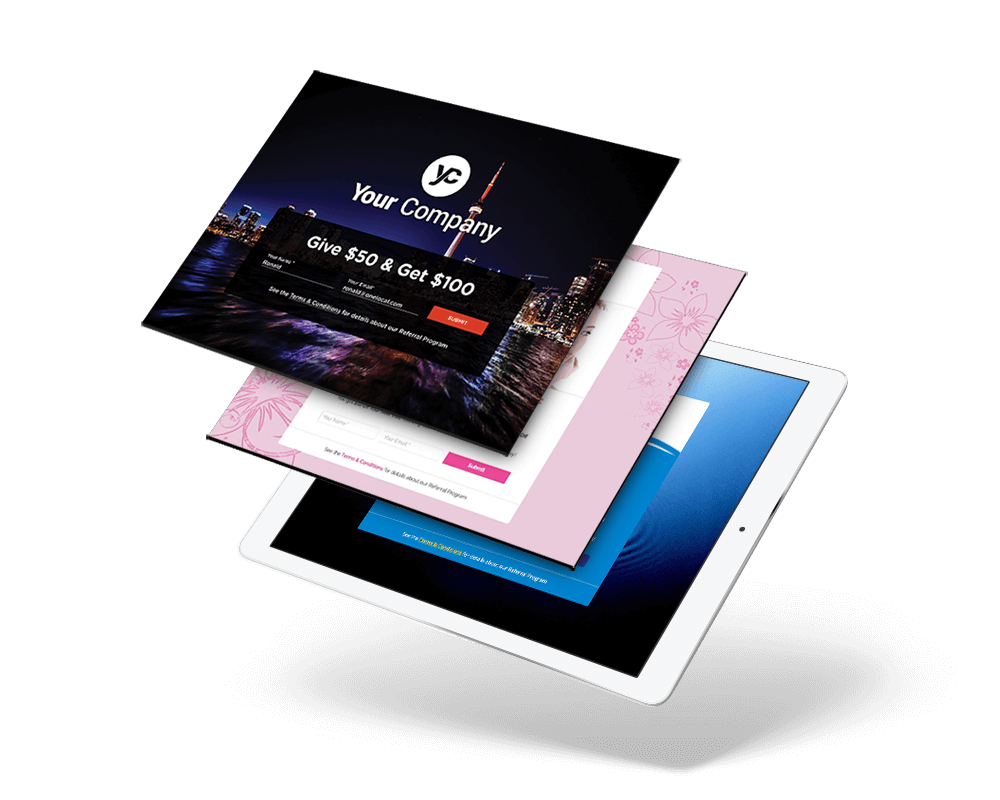
A white-label referral platform that adapts to any partner brand across web, email, SMS, and print.
Product DesignWhite LabelMulti-ChannelUX Research
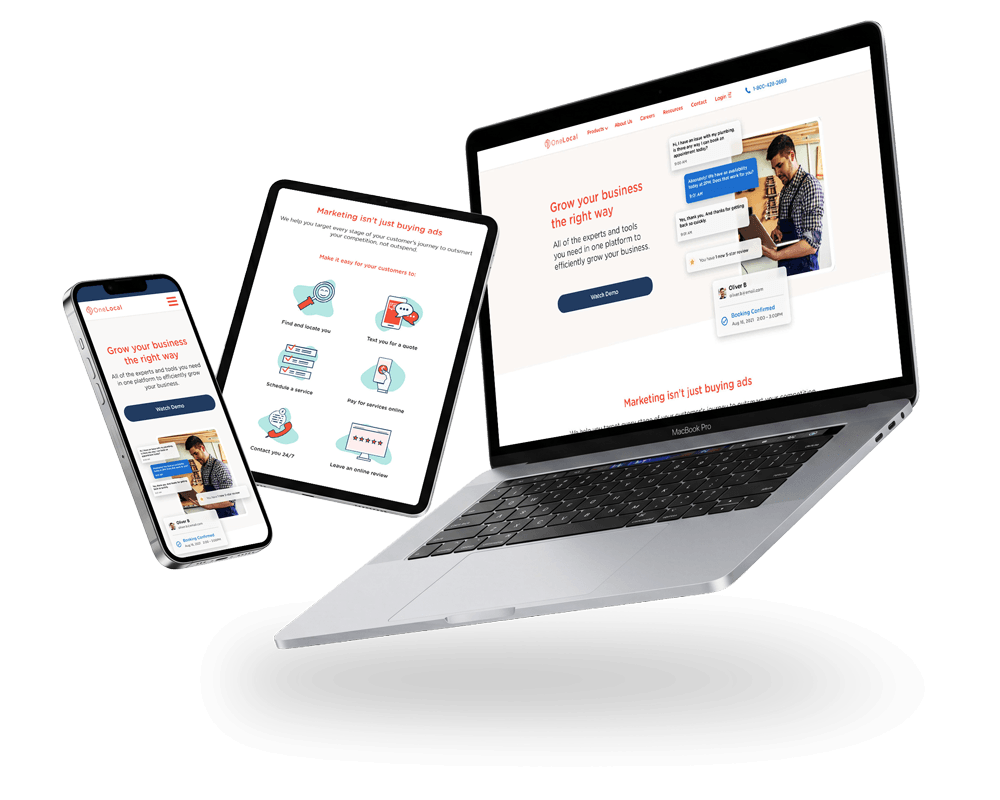
OneLocal’s previous site explained what the products were, not how they fit into a partner’s business. The redesign closes that gap with a responsive rebrand and 9 product pages anchored in industry-grounded imagery.
Section 01
The previous OneLocal website did a decent job explaining the products, but it struggled to create a real connection with potential partners. Visitors could understand what the tools were, but not how they would fit into their specific type of business. Many weren't seeing themselves reflected in the visuals or messaging, which made it harder for them to feel confident that OneLocal truly understood their world.
As part of a broader rebranding effort, OneLocal introduced a new visual identity that included updated typography, colors, and a full illustration system. The website redesign was the first major place where this new direction would fully come to life. Translating that brand work into a cohesive digital experience was essential. The site needed clearer hierarchy, more modern layouts, and a visual language that felt consistent across every page.
As OneLocal's sole designer, I took those refreshed brand foundations and turned them into a complete digital experience. I redesigned the site for clarity and trust, refined the visual system, built new layouts, adapted everything for responsive use, and improved accessibility. The goal was to give potential partners a website that felt relatable, informative, and aligned with how they actually evaluate software for their business.
The site explained what the products were, but potential partners couldn’t see how the tools fit their business, and nothing was bridging the gap.
Section 02
Before the redesign, it was clear that many potential partners were landing on the site without fully understanding what OneLocal could do for their business. They were not comparing features. Instead, they were trying to picture outcomes, industry relevance, and whether the platform aligned with the way they worked day to day. The previous site explained the product suite, but it didn't bridge that gap.
Through feedback from account managers and sales conversations, several consistent themes surfaced:
The new website needed to close those gaps, making the products feel understandable, relevant, and grounded in real business workflows. That meant reorganizing content to highlight results, rewriting messaging to be more direct, and pairing the UI with imagery that suggested real local businesses without overcommitting to any single industry.
Section 03
The redesign needed to make the website feel clearer, more credible, and easier for potential partners to understand at a glance. That meant focusing on 3 things: stronger messaging, a more modern visual system, and layouts that made the product feel relevant to a wide range of industries. Every part of the experience had to work toward helping visitors quickly see what OneLocal offered and why it mattered for their business.
I based the strategy on a few core principles. First, simplify the story: speak directly, highlight results, and remove any ambiguity about what each product does. Second, use industry grounded visuals where they added clarity and outcomes mattered most, supported by the new illustration style where appropriate. Third, build a clean visual hierarchy so visitors could scan each page easily, understand the value quickly, and move naturally into deeper product details.
The new brand direction set the tone with updated typography, colors, and a refreshed illustration system, but the website was where everything needed to feel cohesive. My role was to interpret that foundation into a digital system that looked polished while remaining practical for a small team to maintain. The final structure balanced clarity with personality, giving OneLocal a site that felt both modern and trustworthy, while making the value of each product far more visible.
Section 04
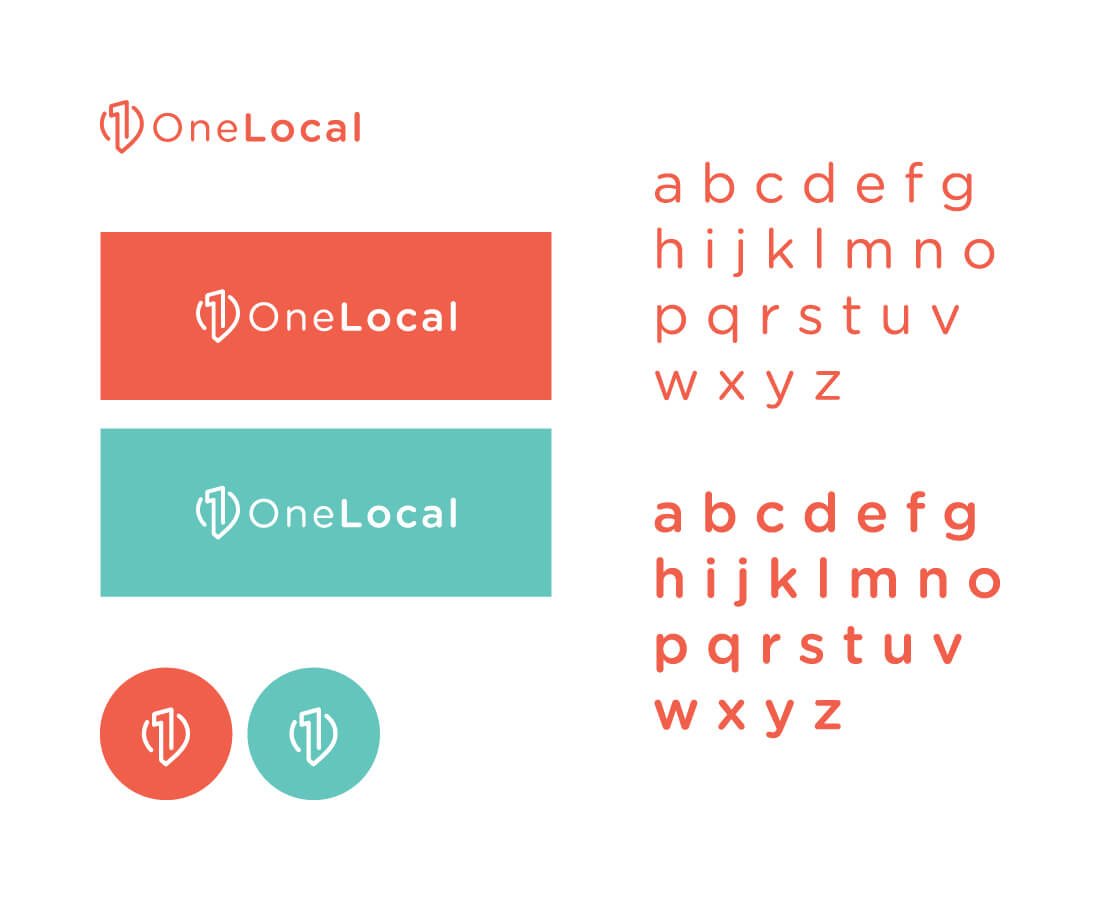
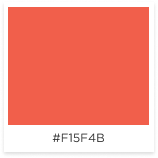
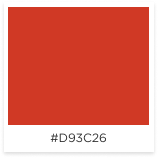
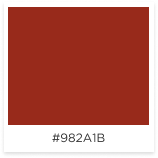
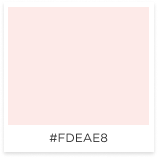
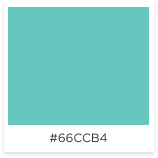
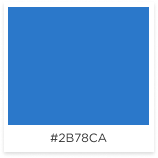
The refreshed OneLocal brand introduced a new visual direction built around clear typography, an expanded color palette, and a flexible illustration style. The core identity work came from an external branding team, and the core illustrations were licensed from a stock library. The challenge was translating that static system into a cohesive, digital ready design language that felt modern, approachable, and scalable across the entire website.
My role was to extend the brand system so it worked across the site. That meant refining color usage, establishing hierarchy, adapting the illustrations into layouts, and defining how components should behave across different breakpoints. The goal wasn't to reinvent the brand, but to bring it to life in a way that felt sharp, consistent, and aligned with how potential partners evaluate software online.
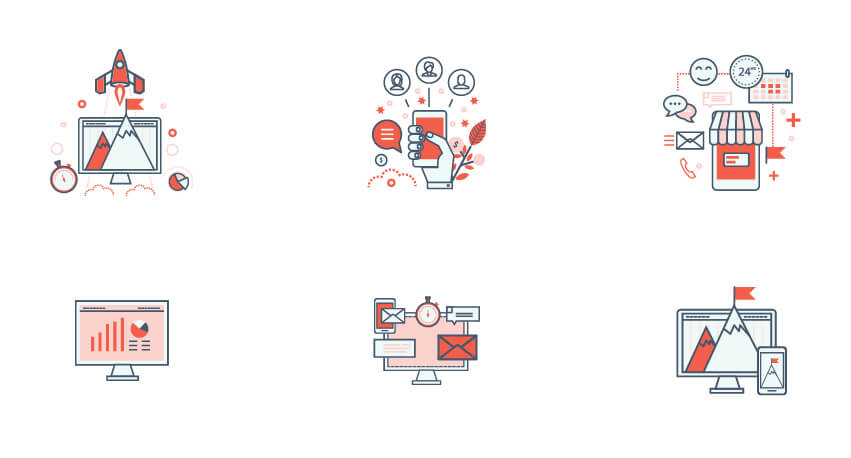
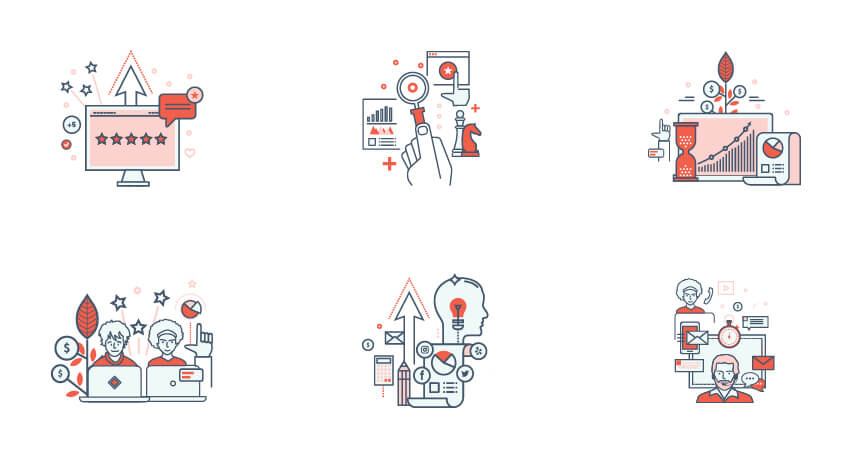
The illustration system played a big role in giving the site personality. Starting from the licensed stock set, I derived the site's illustrative work, adapting and extending the base illustrations to fit each product and page. Instead of using them as decorative accents, I integrated them where they added clarity by explaining product value, framing outcomes, and helping each page feel more welcoming. Paired with strong hero images, the final design created a balance between warmth and professionalism.





Section 05
Most potential partners viewed the site on a laptop or desktop, so that's where the structure was defined first and then scaled down to tablet and mobile without losing clarity or hierarchy. The goal wasn't to redesign each breakpoint from scratch, but to keep the experience consistent, readable, and easy to navigate no matter where someone landed. Along the way, I refined contrast, typography, and component behavior to better align with accessibility standards so the site felt trustworthy and polished across the entire responsive range.

Section 06
One of the clearest gaps in the previous website was how little it helped visitors understand the products in the context of their own business. The redesign needed to bridge that gap and make each tool feel immediately relevant through visuals and messaging that showed real outcomes, rather than lengthy explanations.
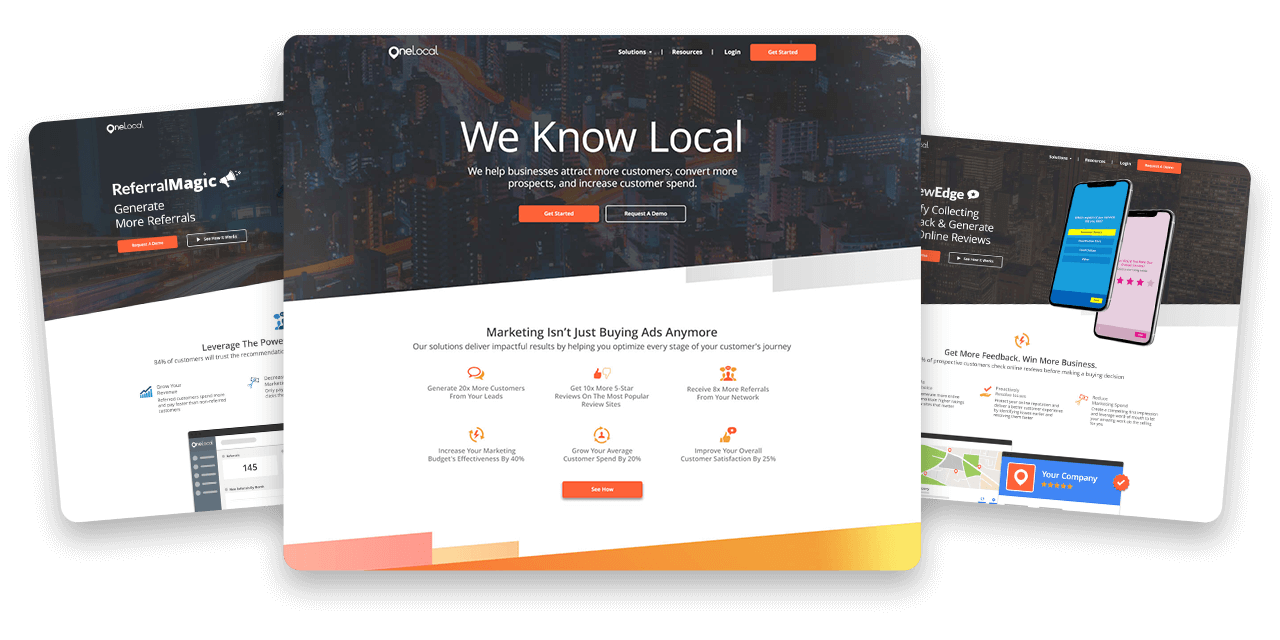
I focused the product pages around 3 ideas: clarity, credibility, and approachability. Each hero section opened with outcome focused messaging supported by visuals that helped visitors picture what the product actually achieved, such as more reviews, smoother communication, and better customer follow-through. Instead of designing pages for specific industries, I used imagery that felt relatable across many types of local businesses. Small touches, like showing a mechanic texting a customer or a salon reacting to new reviews, added just enough real-world context to help partners imagine the tools in their own environment without over-personalizing the design.
The layout shifted toward stronger hierarchy, clearer value statements, and more scannable content blocks. Testimonials were paired with the products they referenced, helping reinforce industry range by showing, not just telling, that OneLocal supported everything from beauty salons to auto shops. This approach made the site feel more relatable without overwhelming the design or over-personalizing any single industry.
The result was a set of product pages that not only felt more modern but also more meaningful. Visitors could immediately see the benefits, understand the workflows, and recognize how the products applied to their business, which made conversations with the sales team smoother and more productive.


Section 07
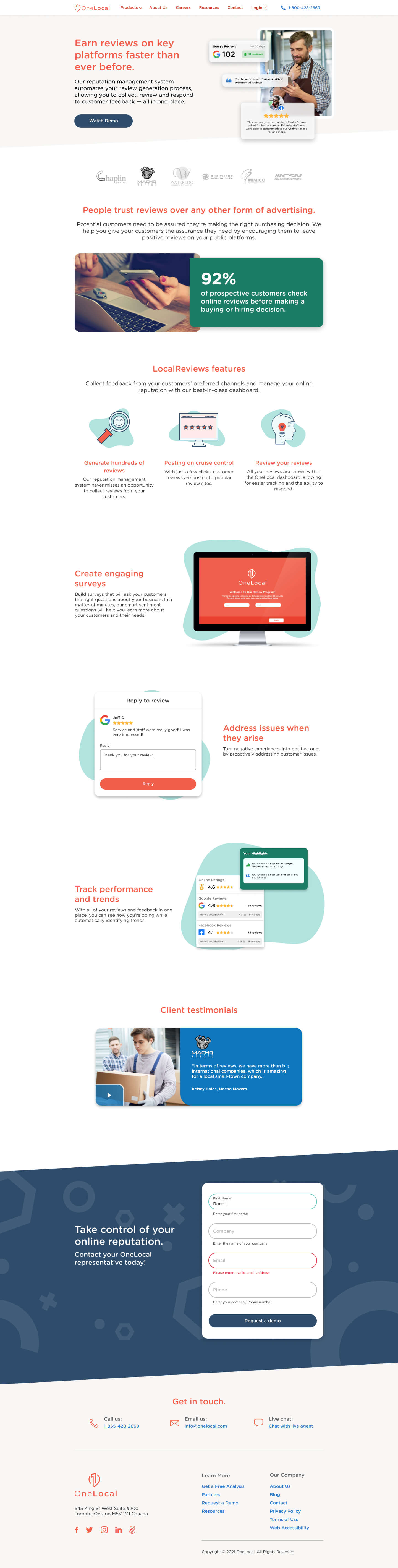
With the foundations in place, the final site brought everything together, including the updated brand, the clarified messaging, and a layout system that felt modern, structured, and easy to scan. Each page was designed to highlight what mattered most: the value of the product, the outcomes businesses could expect, and the proof that OneLocal worked across a wide range of industries.
The product pages became the strongest expression of this direction. Clean hero sections introduced each tool with a simple, outcome focused message, some UI mockups, and visuals that helped visitors picture the product. Testimonials reinforced credibility, while clearer hierarchy and spacing made the pages feel more premium.
Across the site, the new visual system created a rhythm that felt consistent and trustworthy. The refreshed typography, tighter color usage, and integrated illustration style helped every page feel part of the same story that felt confident, approachable, and easy to understand at a glance.

Section 08
The redesigned website made an immediate difference for both potential partners and the internal team. With clearer messaging and more relatable visuals, visitors could finally picture how OneLocal's products fit into their day-to-day work. The new structure helped them understand the value faster, and the improved clarity made sales conversations smoother and more productive.
The impact showed up in a few key ways:
Working on this redesign reinforced how much presentation shapes perception. A product can be strong, but without the right storytelling, including clear hierarchy, relatable visuals, and direct messaging, visitors won't always see its value. This project also pushed me to think more intentionally about how brand systems translate into digital experiences, especially when clarity and trust are the goal.
Most of all, it reminded me that good design doesn't just look better. It makes the conversation easier. When the story is clearer, the product feels more relevant, and the path to understanding becomes a lot more natural.